+356 7750 1752
Sandro Micallef on Sports Commentary and Integrity in Malta
Sandro Micallef explains how sports journalism in Malta really works, why live commentary is won in preparation, and what anti-doping means for athletes.



In short
- Sandro Micallef is a Maltese sports journalist and commentator, now Head of Communications at the Authority for Integrity in Maltese Sport (AIMS).
- He worked 13 years as a full-time sports journalist at TVM and spent 8 years as president of the Malta Sports Journalists Association.
- His rule for live broadcasting: never go on air without preparing, however well you know the teams.
- Viewers now check a commentator’s facts on their phones during the broadcast, he says, which makes live work riskier.
Sandro Micallef started behind the camera at 16, as a football assistant producer, and has spent his career helping Malta read a game. Sitting down at CastMe, our podcast studio in Malta, he makes a case that surprises anyone who thinks commentary is a gift for talking. According to him, the work that matters happens long before the microphone goes live.
What does a sports commentator in Malta actually prepare?
Even a commentator who has followed a team all season, Sandro says, cannot walk in cold. You may know the players by heart, how they run and what shoes they wear, but you do not know what kind of match you are about to get.
“You cannot go for a commentary without preparing. It’s a killer,” he says. When two sides are afraid of each other and nobody attacks, it is the data in front of you that keeps the audience engaged: recent form, goals scored, goals conceded.
His method is unglamorous. He goes through archives and newspapers, prints results and the CVs of well-known competitors, studies the line-ups and calls people for their opinion. He recommends having 10, 12, even 20 printed pages to hand so you never get stuck, including notes you may never use.
Rowing shows why. Between one race and the next, he recalls waiting 40 or 50 minutes, even an hour, with no action at all and the broadcast still live. Anyone who has faced dead air will understand why the pile of paper exists.
Sports journalist vs reporter vs commentator: what is the difference?
People use these words as if they were interchangeable. Sandro does not, and his distinctions are worth keeping.
- The journalist makes the story: one source, two, three if possible, then follow-up questions and emails, and digging through public financial accounts.
- The reporter relays what was said at a press conference, with no opinion and no further investigation.
- The commentator works live or recorded, on site or “off tube”, calling the action from a screen in a small studio.
He has done all three, and in the quickfire round at the end of the episode he picks commentary over journalism. He also picks the venue over the studio, “100%”, because at the stadium you can see the players warming up and hear the supporters.
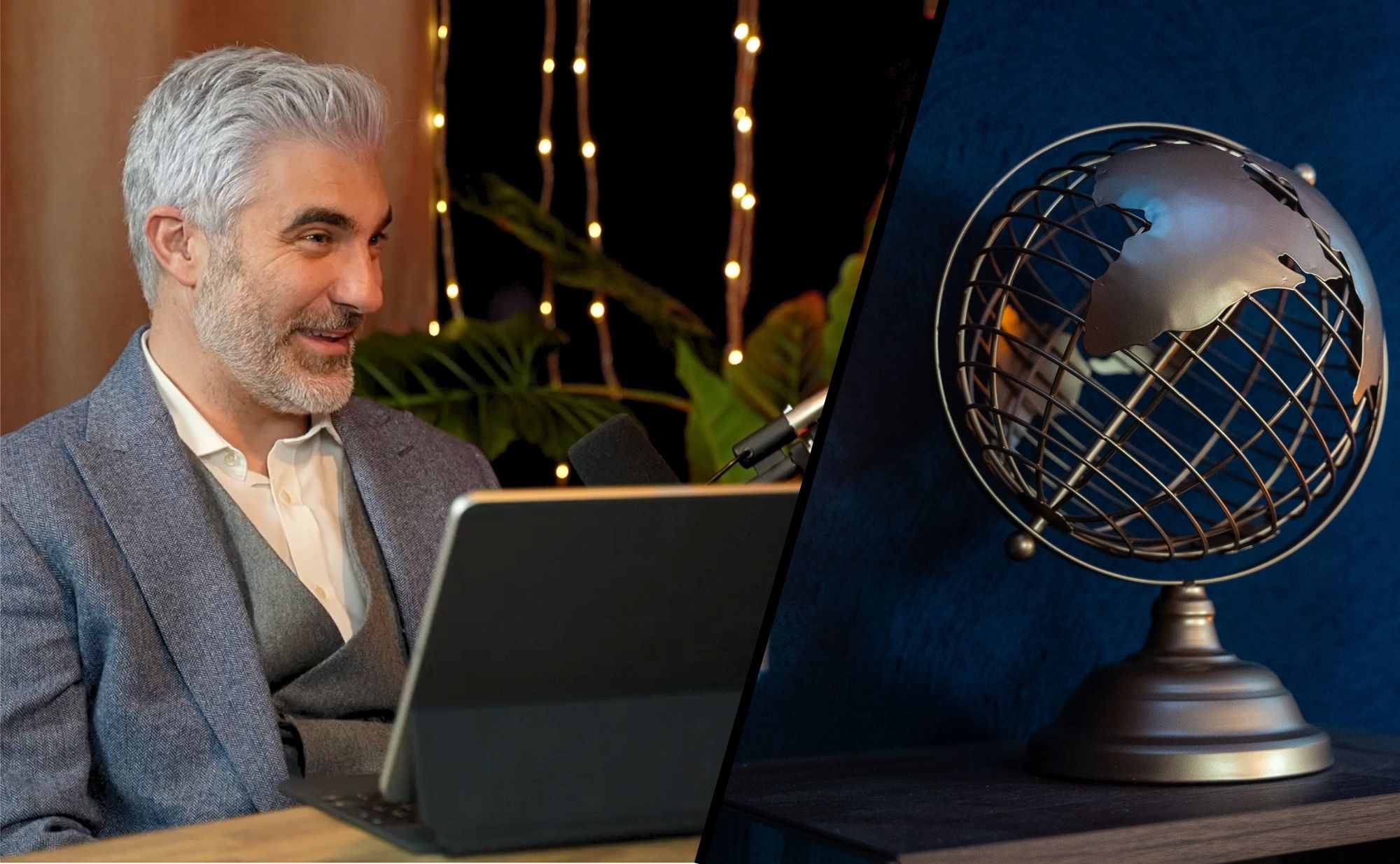
This episode was filmed at CastMe, in Sliema
Got a story to tell? We handle the cameras, the sound and the edit.
Book your recording sessionWhy is live commentary harder in the social media era?
The audience now has the research tools too. Sandro’s example: a commentator says a player has competed for 17 years, a viewer opens her Facebook page, finds a figure of seven, and posts about it while the match is still running. In his words, commentators are now scrutinised on the spot.
His defence is simple. “I put myself in the viewer’s shoes,” he says of going live. That habit also shapes how he takes criticism. A boring commentary is fair game, in his view. Personal insults are not.
“If you don’t like my style, it’s okay. I respect you. You can put it on mute, but respect our work,” he says. He also accepts that hate comments come with the job, “part and parcel” as he puts it.
The unwritten rule he shares with a laugh is more practical: mute your mic when you are not on air. Breaks in a water polo game or at half time, he notes, have caught people out more than once.
How did Sandro Micallef learn so many sports?
He describes being raised in a sporting family and always asking why a player was placed where he was. Before joining the national broadcaster he spent seven years in the private sector, and he took basic coaching courses in football and futsal.
Presenting a generic programme called Sports Panorama widened his range. He says it immersed him in everything from triathlon and swimming to snooker, pool, motorsport and even shooting, and took him to sports facilities around the island.
Alongside that full-time work he gave his time to the Malta Sports Journalists Association, a voluntary role he says he still misses. Its members, by his description, are the working reporters, journalists, photographers and camera operators of Maltese sport.
What does anti-doping mean for athletes in Malta?
At AIMS, Sandro works for a government authority that, as he explains it, handles anti-doping in Malta and Gozo and is also responsible for the governance and registration of sports organisations.
His warning to competitors is concrete. If a semi-professional or professional athlete with a fever is prescribed medicine, they must tell the doctor they are an athlete, because even a common cold and flu remedy can contain a banned substance. The route for legitimate treatment is a Therapeutic Use Exemption, set against the World Anti-Doping Agency’s Prohibited List.
A ban, he adds, is not something you can sidestep by changing discipline. Once the process is complete it applies across all sports worldwide. Throughout the conversation he returns to integrity, saying he has always stood against match manipulation.
Where would a Maltese sports journalist take a visitor?
His answer does not change, even for someone who dislikes hustle and bustle: Valletta. He would take them to the Upper Barrakka Gardens, for a walk along Republic Street and to St John’s Co-Cathedral. His advice to foreign athletes arriving in Malta is just as direct: whether or not you end up settling here, enjoy your time with us.
About the guest
Sandro Micallef is Head of Communications at the Authority for Integrity in Maltese Sport and a former president of the Malta Sports Journalists Association. Follow him on Facebook. He was interviewed by Nina, co-owner of CastMe, at our studio in Sliema.
Key moments from the interview
- 00:41 Who is Sandro Micallef?
- 01:12 Head of Communications at AIMS
- 01:40 Anti-doping explained
- 03:22 8 years as president of the Malta Sports Journalists Association
- 05:53 Sports journalist vs reporter vs commentator
- 07:42 Why live commentary is riskier in the social media era
- 08:28 Why you can never skip preparation
- 12:56 Unwritten rules
- 13:34 How to prepare for a live commentary
- 15:36 Quickfire: this or that
- 16:11 Advice for foreign athletes in Malta
- 16:30 Sandro’s favourite place in Malta
FAQ about Sandro Micallef and sports journalism in Malta
Who is Sandro Micallef?
He is a Maltese sports journalist and commentator who worked 13 years full-time at TVM and is now Head of Communications at AIMS.
What is AIMS in Malta?
The Authority for Integrity in Maltese Sport is a government authority that, Sandro explains, handles anti-doping and the governance and registration of sports organisations.
How does a commentator prepare for a live match?
Sandro recommends going through archives, results, line-ups and history, calling people for their views, and keeping printed notes to hand in case the action stalls.
What is the difference between a sports journalist and a reporter?
According to Sandro, a journalist investigates and builds a story from sources and follow-ups, while a reporter relays what was said without opinion or further inquiry.
Have a story worth telling?
This episode was recorded and edited at CastMe in Sliema. Discover podcasts and videos recorded in our studio, read where to record your next episode in Malta, then book a recording session by the hour or choose our full production service.
Related Post
All Post